Trying to choose between Fairfax City and Fairfax County? At first glance, they can sound like the same place, but your day-to-day experience can feel quite different depending on which side of the line you live on. If you are buying, selling, or relocating in Northern Virginia, understanding those differences can help you narrow your search and make a more confident move. Let’s dive in.
Why the Fairfax City and County line matters
Fairfax City and Fairfax County are separate jurisdictions in Virginia, and that affects more than just an address. Fairfax City is an independent city with 26,340 residents, 10,467 housing units, and 6.3 square miles of land area as of 2024. Fairfax County is much larger, with more than one million residents and 433,476 housing units.
That separation shapes everyday life in practical ways. Services like trash collection, local transit, schools, and property taxes are organized differently depending on where you live. If you are comparing homes in both areas, it helps to think beyond the house itself and look at how each jurisdiction functions.
Housing feel in Fairfax City
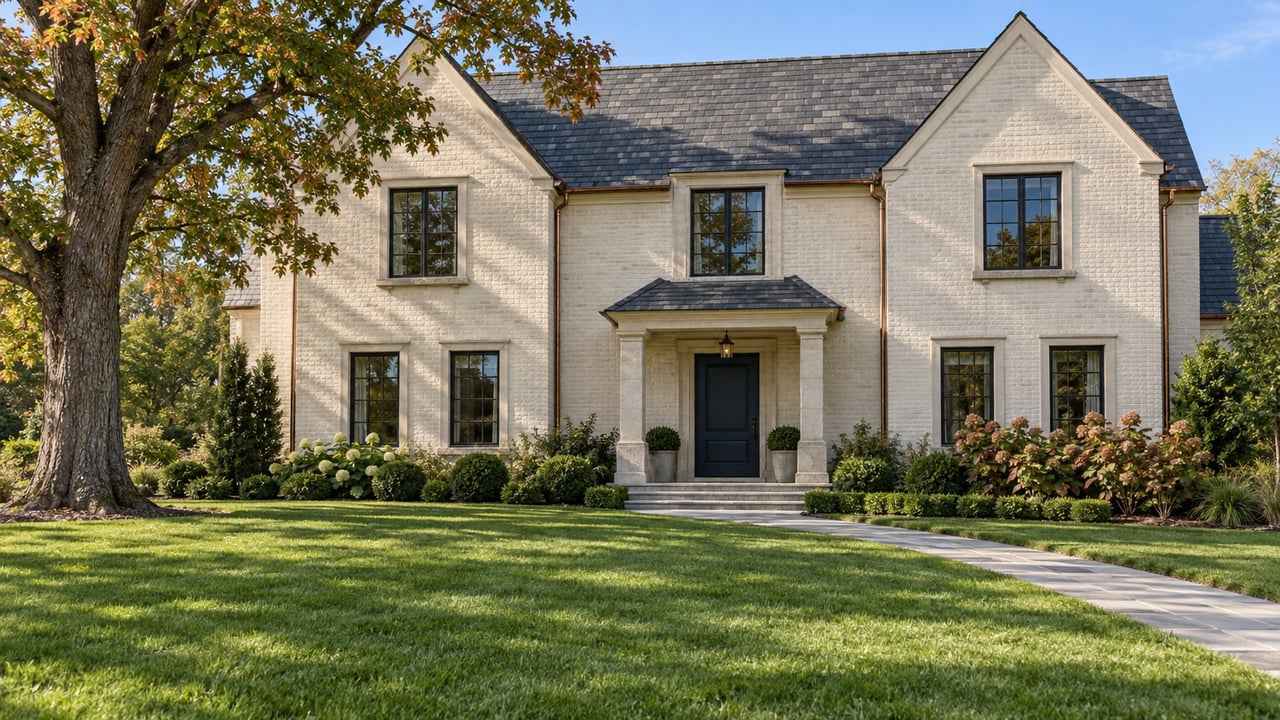
Fairfax City has a more compact housing pattern and a smaller-scale feel. According to the city, 47% of housing units are single-family detached, 12% are townhouses, 14% are multifamily condominiums, and 23% are apartments. That mix gives buyers a range of options within a relatively small footprint.
The city also includes 188 acres of public open space, 16 miles of arterial roads, and 54 miles of collector and local roads. In everyday terms, that can translate into a more concentrated layout where homes, community spaces, and local destinations feel closely connected. For some buyers, that smaller scale is a major draw.
Another defining feature is the city’s visible downtown identity. Events such as Rock the Block, the Independence Day Celebration, the Fall Festival, and the Holiday Market in Downtown Fairfax or Old Town Square help reinforce a central gathering place. If you like the idea of a community with a recognizable core, Fairfax City may stand out.
Housing choices in Fairfax County
Fairfax County offers a much broader housing menu. In the countywide ACS profile, 45.6% of housing units are detached single-family homes, 22.4% are attached single-family homes, and 14.7% are in buildings with 20 or more units. That larger inventory can give you more flexibility in home style, lot size, and setting.
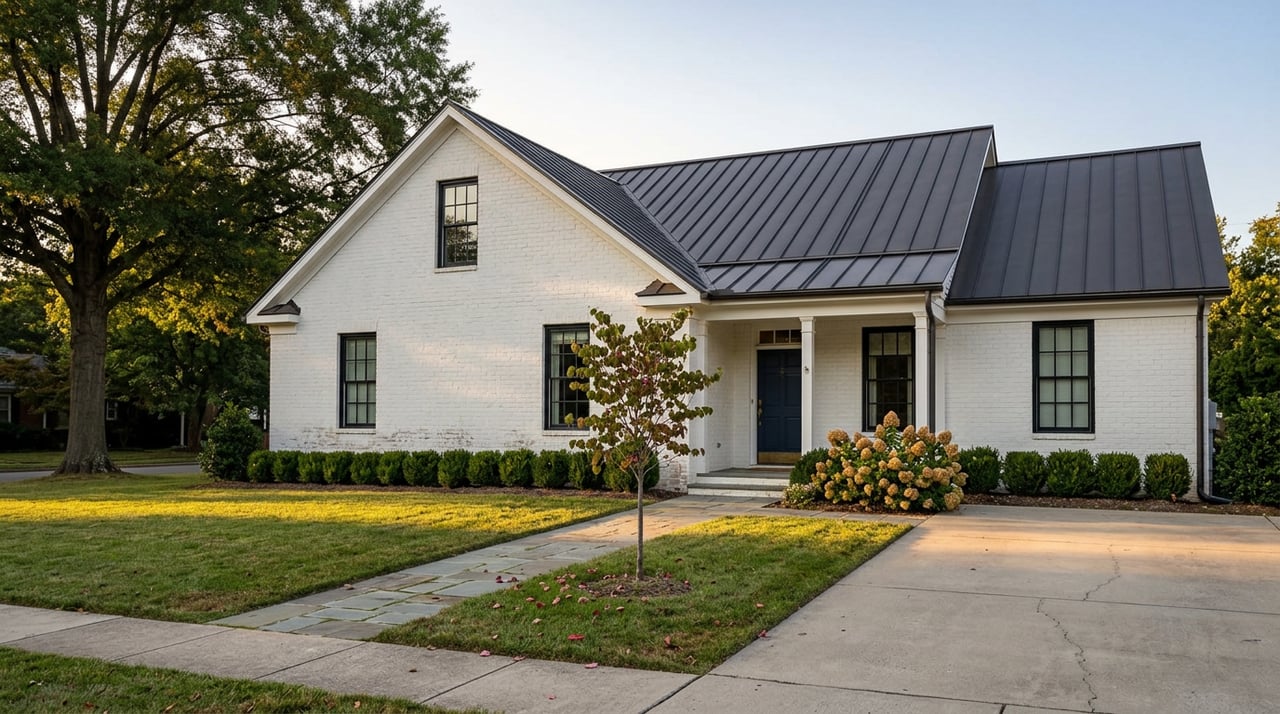
The county also describes itself as having urban, suburban, and even a touch of rural character. This matters if you are trying to match your home search to your lifestyle. Some buyers want a more connected, higher-density setting, while others want a quieter residential area or more space.
Outdoor access is also broader at the county level. The Fairfax County Park Authority says the county trail system includes more than 22,000 acres and over 334 miles of trails. If parks, trails, and varied recreation options are high on your list, that larger network may be appealing.
Everyday services can feel very different
One of the biggest lifestyle differences between Fairfax City and Fairfax County is how local services are handled. In Fairfax City, the city operates its own trash, recycling, and composting program, including curbside collection for single-family homes and townhomes. That creates a more centralized, city-run service experience.
In Fairfax County, about 90% of residents and businesses use private trash and recycling collection, although the county does provide collection in some solid-waste districts. For buyers, this is not necessarily better or worse. It is simply a different setup, and it is worth understanding before you choose a home.
If you are relocating from out of the area, details like this can be easy to miss. Yet they affect how daily life works once you move in.
Schools depend on jurisdiction
Schools are another area where the Fairfax City versus Fairfax County difference matters. Fairfax City’s school program is run through an independent school district that contracts with the county system to operate the city schools. The city schools page lists Fairfax High School, Katherine Johnson Middle School, Providence Elementary School, and Daniels Run Elementary School.
Fairfax City reports public school membership of 2,985 in 2024. By comparison, Fairfax County Public Schools serves more than 177,000 students in 200 schools and centers. That does not tell you which option is right for you, but it does show that the scale is very different.
For many buyers, the key takeaway is simple: the school conversation is not just about a specific property. It is also about which jurisdiction that property falls within. If schools are an important part of your move, that line deserves close attention.
Commuting options in each area
Commuting can also shape your decision, especially if you work in DC, elsewhere in Northern Virginia, or in a hybrid role. Fairfax City has a smaller, more local transit setup. The CUE Bus provides fare-free service throughout the city and connects riders to George Mason University, the Vienna/Fairfax-GMU Metrorail station, Old Town, neighborhoods, schools, parks, and other destinations.
Fairfax County offers a wider regional transit network. County commuters have access to Metrorail on four lines, Virginia Railway Express on two lines, Fairfax Connector with more than 100 routes, Metrobus, nearly 30 free park-and-ride lots, and several Metro station parking options. Depending on where you live, that can create more ways to build a commute around rail, bus, or park-and-ride access.
In practical terms, Fairfax City can feel more self-contained, while Fairfax County may offer more commute combinations. If you are comparing the two, think about how often you travel, where you need to go, and whether local convenience or regional transit depth matters more to you.
Property taxes: compare the base rates
Property taxes are part of the picture, but they need context. For FY 2027, Fairfax City’s adopted base real estate tax rate is $1.0725 per $100 of assessed value. Fairfax County’s base real estate tax rate is $1.12 per $100 of assessed value.
It is important to compare the base rates, not assume there is one universal tax bill for every property. The county notes that district-specific charges can affect the total bill, and Fairfax City also has an Old Town Service District rate for some properties. When you are budgeting, the smartest move is to review the specific property details rather than rely on a broad estimate.
Fairfax City vs Fairfax County at a glance
| Topic | Fairfax City | Fairfax County |
|---|---|---|
| Jurisdiction size | 6.3 square miles | Much larger countywide area |
| Population | 26,340 | More than 1 million |
| Housing feel | Compact and mixed | Broader range of housing types |
| Downtown identity | Strong, centralized downtown presence | More spread out across many community types |
| Trash service | City-run curbside service for many homes | Mostly private collection |
| Transit | Fare-free local CUE Bus | Rail, bus, Connector routes, and park-and-rides |
| Parks and trails | 188 acres of public open space | 22,000+ acres and 334+ miles of trails |
| Base tax rate | $1.0725 per $100 assessed value | $1.12 per $100 assessed value |
Which area may fit your lifestyle?
Fairfax City often appeals to buyers who want a compact jurisdiction, a stronger downtown identity, city-run services, and a smaller school system. If you like the idea of a more centralized local feel, this side of the comparison may speak to you. It can be especially useful for buyers who want a small-city atmosphere within the larger Northern Virginia region.
Fairfax County often appeals to buyers who want more neighborhood variety, a wider range of housing options, larger park and trail networks, and more commuting choices. If your priority is flexibility in home type or location, the county may offer more paths to the right fit. This can be especially helpful if you are relocating and still narrowing down what kind of setting works best for you.
For sellers, this distinction matters too. The features that attract buyers in Fairfax City may differ from the features that matter most in Fairfax County. Positioning a home correctly starts with understanding how buyers experience the location, not just the property itself.
If you are weighing Fairfax City versus Fairfax County, the best choice usually comes down to your routines, budget, housing preferences, and commute. A clear local comparison can save you time and help you focus on the areas that really match your goals.
If you want help comparing neighborhoods, understanding local housing options, or planning your next move in Northern Virginia, connect with Elizabeth Sachero-Perez. You will get practical guidance, local insight, and personalized support every step of the way.
FAQs
What is the main difference between Fairfax City and Fairfax County?
- Fairfax City is an independent city, while Fairfax County is a separate jurisdiction. That affects services, schools, transit, and property taxes.
Is Fairfax City smaller than Fairfax County?
- Yes. Fairfax City has 26,340 residents and 6.3 square miles of land area, while Fairfax County has more than one million residents.
How does housing differ between Fairfax City and Fairfax County?
- Fairfax City has a compact mix of detached homes, townhouses, condos, and apartments, while Fairfax County offers a much larger and more varied housing inventory across different community types.
Are trash and recycling handled differently in Fairfax City and Fairfax County?
- Yes. Fairfax City runs its own trash, recycling, and composting program for many homes, while most Fairfax County residents use private collection services.
How do commuting options compare in Fairfax City and Fairfax County?
- Fairfax City has the fare-free CUE Bus for local connections, while Fairfax County offers broader regional options including Metrorail, Virginia Railway Express, Fairfax Connector, Metrobus, and park-and-ride lots.
Are property taxes lower in Fairfax City or Fairfax County?
- Based on the FY 2027 base real estate tax rates, Fairfax City is $1.0725 per $100 of assessed value and Fairfax County is $1.12 per $100 of assessed value, though additional district-specific charges may apply depending on the property.