Thinking about selling in McLean but not excited about a months-long remodel? You are not alone. In today’s high-end yet buyer-selective market, you win by showing a polished, well-priced home rather than tearing out kitchens or adding rooms. In this guide, you will learn where small updates deliver big results, how to set the right price for McLean’s micro-markets, and what to skip so you do not overspend or delay your launch. Let’s dive in.
Why presentation beats major remodels in McLean
McLean sits at the top of the Northern Virginia market, and that draws discerning buyers. Local forecasts point to modest price growth and more inventory by 2026, which means your home must stand out on presentation and accurate pricing, not massive construction projects. According to the Northern Virginia Association of Realtors, the region is moving toward a more balanced, shoppable market, so thoughtful preparation pays off for sellers who are listing soon (NVAR 2026 forecast).
Luxury sales still happen here, and some make national news, which underscores strong top-end demand. At the same time, high-end listings often sit longer and face closer scrutiny on finishes, lot, and marketing. A recent example is a McLean home that closed for $25.5 million, a reminder that buyers at every level expect quality and clarity before they commit (Wall Street Journal coverage).
Start with the highest impact, lowest cost
The first dollars you spend should remove distractions and signal care.
- Declutter and deep clean. Pack away personal items, thin out closets and shelves, and schedule a professional clean. Staging research shows tidy, styled spaces attract more buyers and can help reduce time on market (NAR staging report).
- Fix obvious repairs. Leaky faucets, loose handrails, burned-out bulbs, and squeaky doors create doubts about overall condition. Tackle these quick wins now.
- Refresh paint and lighting. Neutral wall color and brighter, consistent lighting make rooms feel larger and newer. Interior painting often runs from the low thousands depending on size and scope (HomeAdvisor paint cost guide).
Curb appeal that sells at first glance
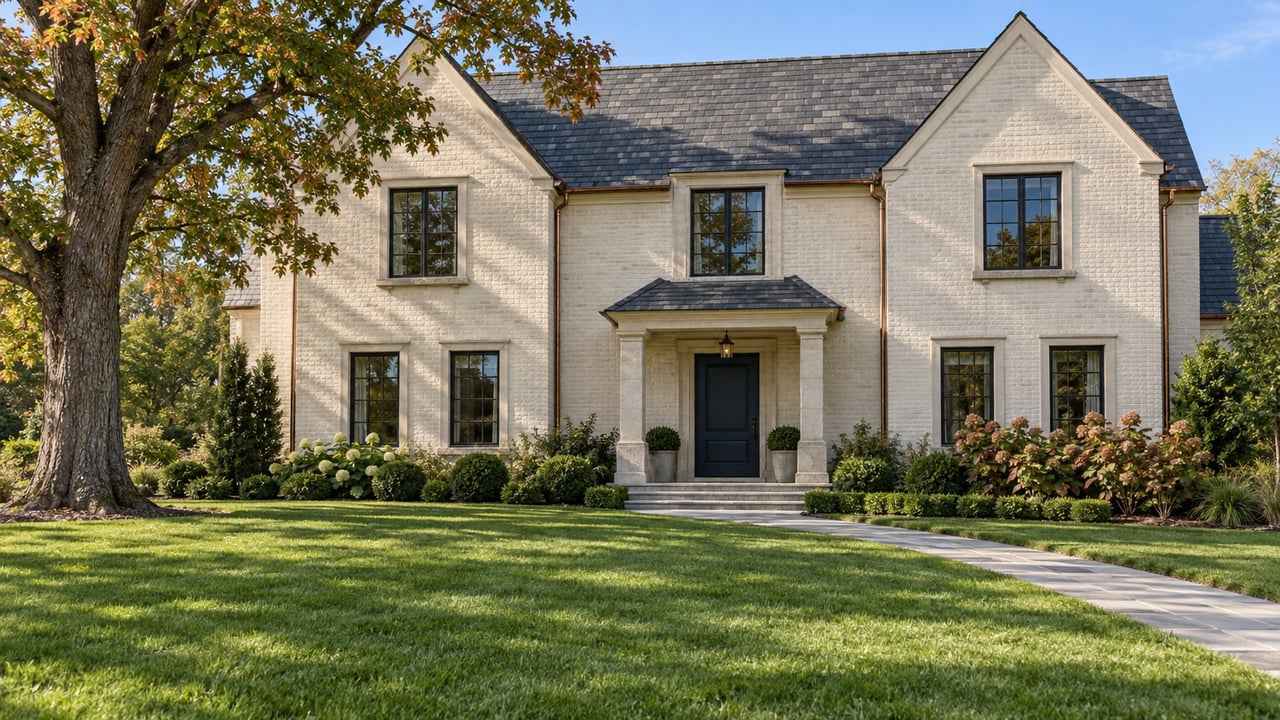
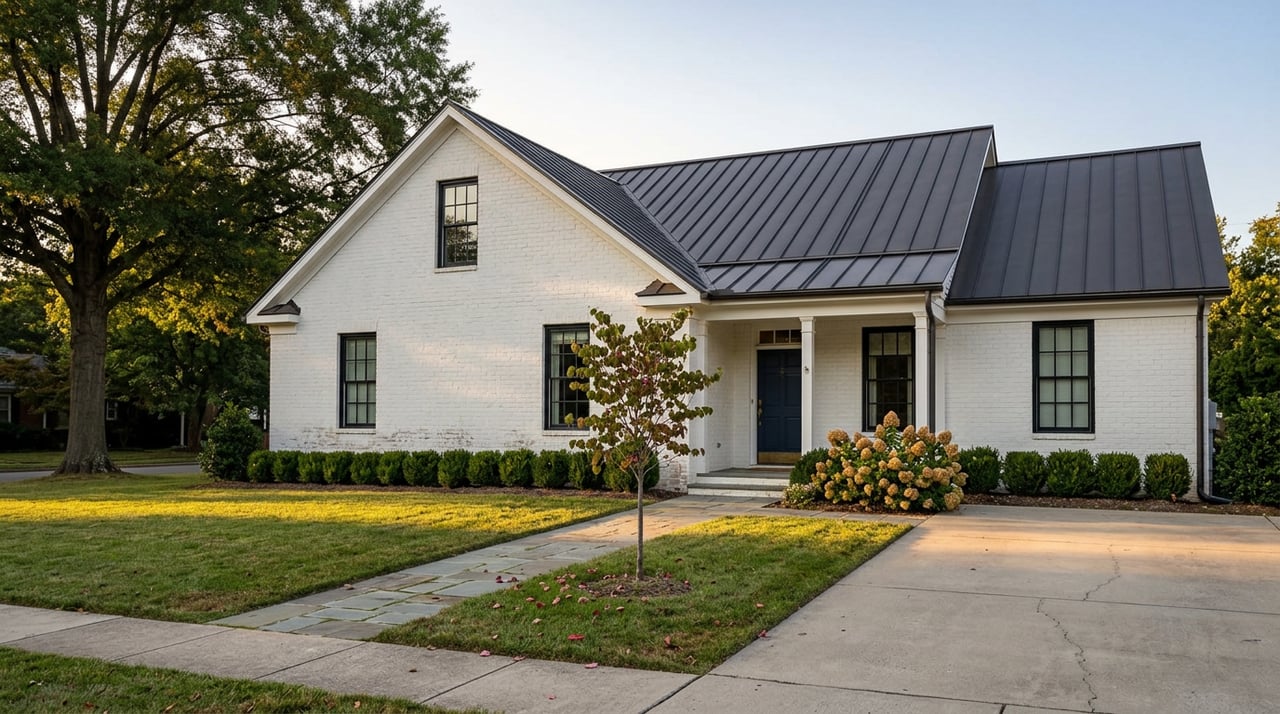
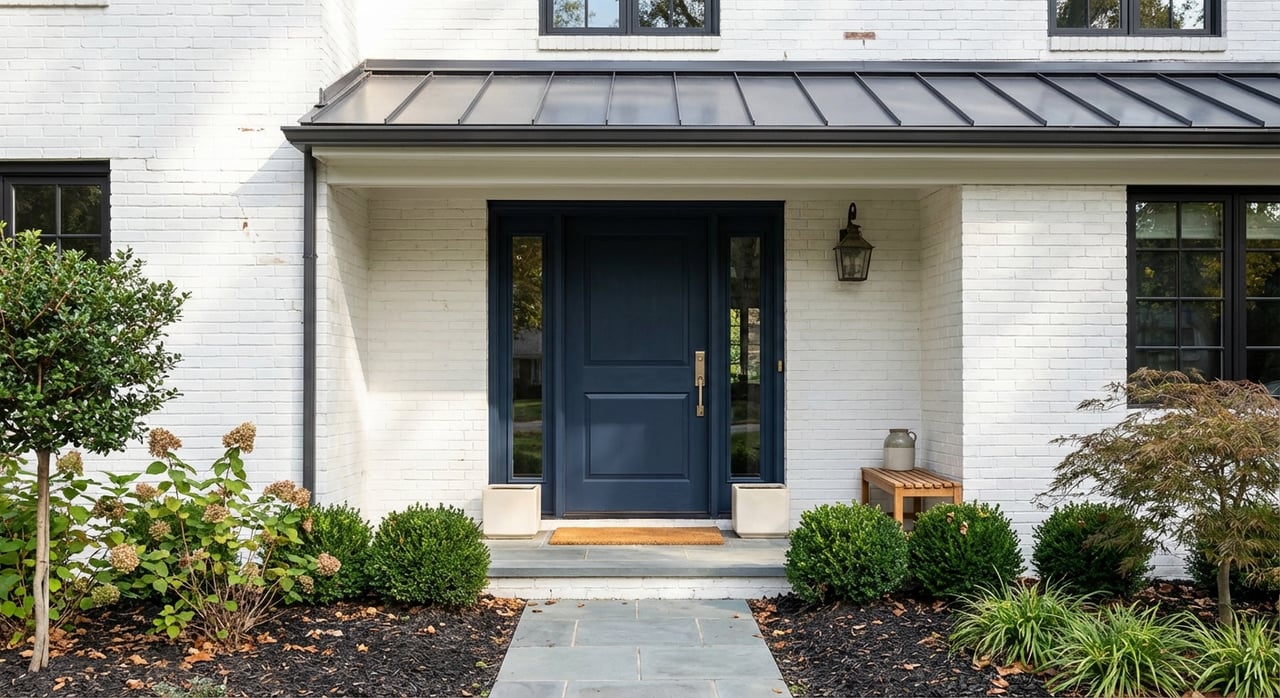
Many of the best return-on-investment projects are outside. Cost vs Value reports place exterior replacements at the top of the recoup list in the South Atlantic region year after year (South Atlantic Cost vs Value). Focus on:
- Basic tidy-up. Power wash, edge beds, add fresh mulch, trim shrubs, and touch up paint on trim and railings. Update house numbers and mailbox for a clean, modern look.
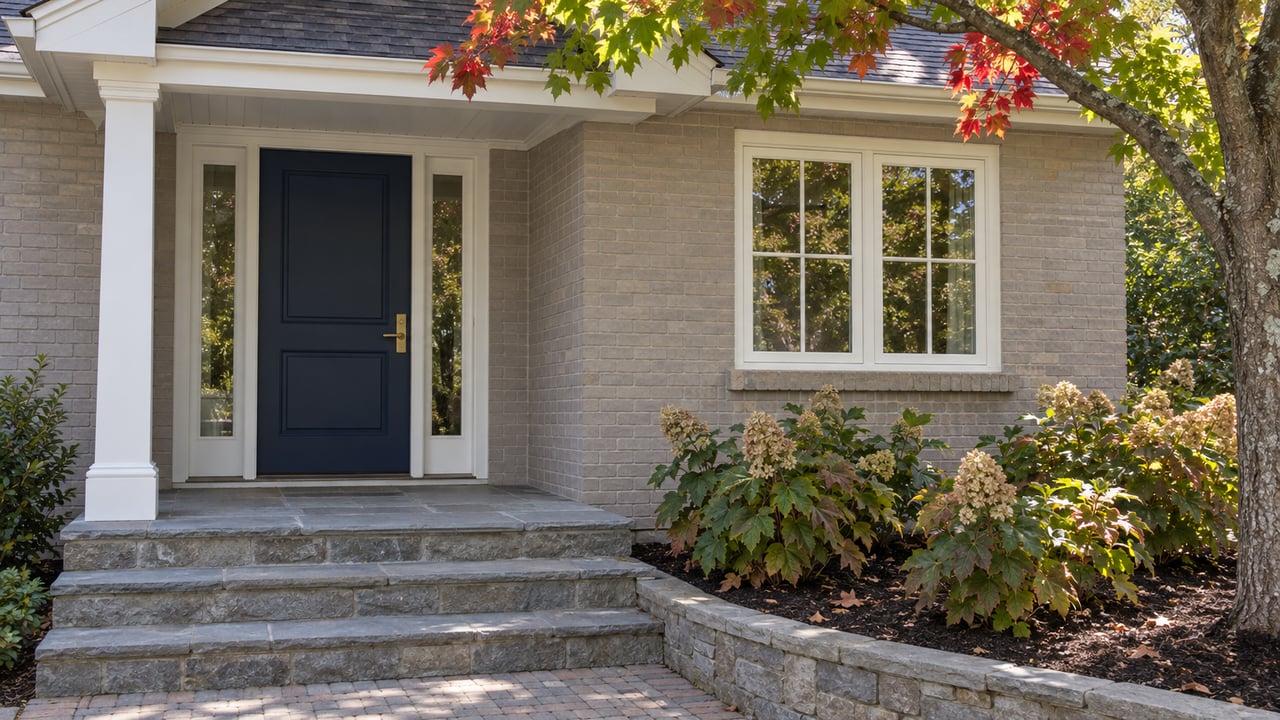
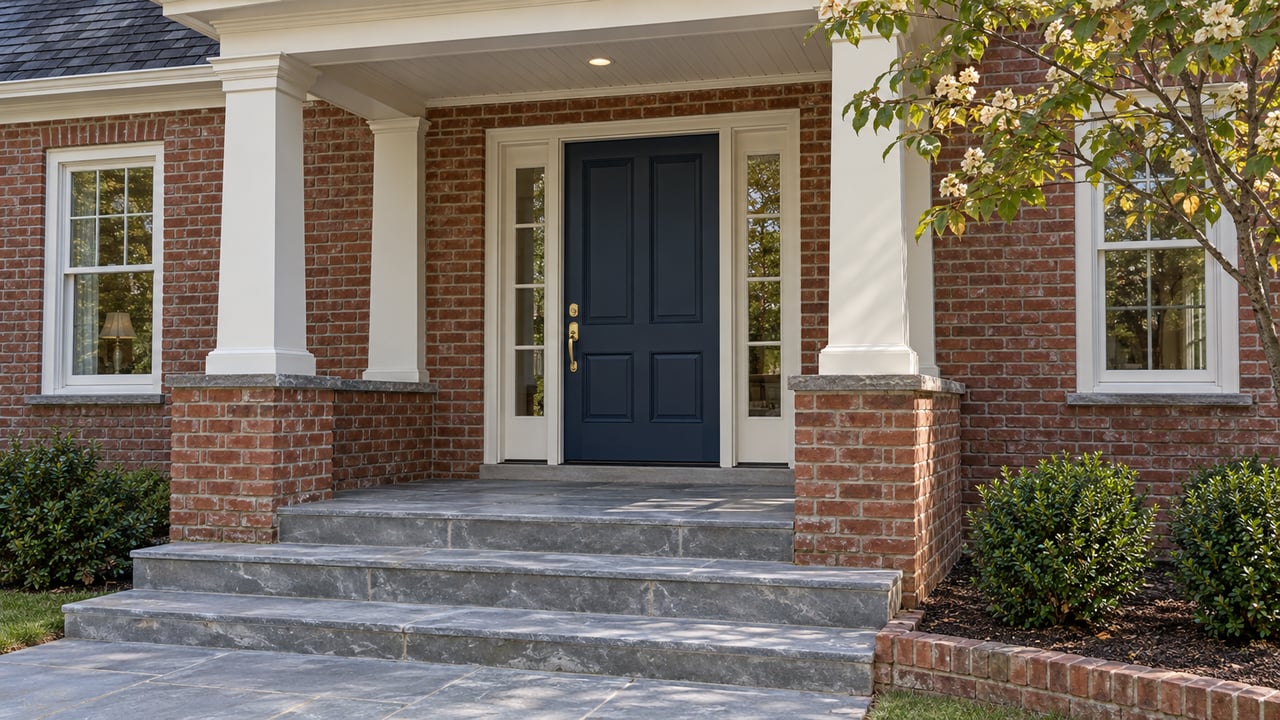
- Entry and garage doors. A new steel entry door and a contemporary garage door often deliver strong resale value compared with their cost. These upgrades boost perceived quality right where buyers arrive.
- Small hardscape or stone accents. Manufactured stone veneer on select areas can elevate curb presence and photography impact. Review regional ROI guidance before you commit (Cost vs Value trends).
Kitchens and baths: cosmetic beats full gut
If you plan to sell within the next year, go light on layout changes. Cost vs Value reporting shows minor, midrange kitchen refreshes tend to recoup a higher share than major or upscale overhauls. In McLean’s selective market, buyers notice freshness more than the exact brand of every finish.
- Favor surface updates. Repaint or reface cabinets, add new hardware, swap dated lighting and faucets, and install a clean tile backsplash.
- Choose neutral yet current counters. Durable, light-toned quartz often photographs beautifully and pairs with a wide range of buyer styles.
- Keep vanities and tile simple. A new vanity, framed mirror, bright lighting, and regrouted or reglazed tile can transform a bath without changing the footprint.
Staging and marketing that move the needle
Online is your first showing. Professional staging and photography help buyers fall in love before they step through the door.
- Stage where it counts. Prioritize the living room, kitchen, and primary bedroom. Industry research links staging with higher perceived value and fewer days on market (NAR staging report).
- Invest in top-tier visuals. Listings with professional photos draw more attention and can sell faster or for more in many price bands (photography impact analysis). Budget a few hundred dollars for standard photography, and more if you add drone, video, or twilight shots.
- Know typical staging costs. Depending on size and whether the home is vacant, staging can range widely from hundreds to several thousand dollars. Get quotes early so you can plan your spend strategically (HomeAdvisor staging cost guide).
Price to your McLean micro-market
Pricing is not one-size-fits-all in McLean. Values shift by lot, commute access, age and style of the home, and even streets. Use very recent comparable sales in your immediate area rather than relying on older peak-era numbers. The first two weeks on market are critical for traffic and price discovery, so you want to start strong and adjust quickly if needed (NVAR market snapshot).
- Calibrate to the segment you are in. A refreshed 1960s colonial near central McLean speaks to different buyers than a newer custom home near the river. Match finish level and price to the likely audience.
- Watch inventory and showing feedback closely at launch. If traffic is light in week one, discuss a prompt pricing or marketing adjustment rather than waiting.
Permits and HOA rules: avoid last-minute surprises
Big projects can create big delays if they need county review. In Fairfax County, cosmetic updates like painting and trim typically do not require permits, while electrical, plumbing, mechanical work, decks, pools, and structural changes often do. Confirm requirements before you start so you do not end up explaining unpermitted work during escrow (Fairfax County permit guidance).
- Permit quick check. Electrical or plumbing changes, HVAC replacement or relocation, new decks and additions, and pools or significant exterior site work are the types of jobs that usually need permits. Always verify with the county if you are unsure.
- Do not start permit-heavy work late. Inspections and approvals can add weeks, which may force you to delay your listing.
- Review HOA or architectural guidelines early. Some neighborhoods require approval for exterior material or color changes.
A 6 to 12 month prep timeline
Use this simple plan to get market-ready without over-renovating.
6 to 12 months out
- Declutter, donate, and begin packing nonessentials. This makes staging faster and easier later.
- Meet with a local listing agent for a data-backed pricing and prep plan tailored to your street and segment.
- If you suspect bigger issues, consider a pre-listing inspection so you can choose to fix, price, or disclose on your terms.
3 to 6 months out
- Tackle exterior tune-ups. Power wash, mulch, trim, and address any peeling paint. If your garage or entry door is dated, get quotes using Cost vs Value guidance as a benchmark (South Atlantic Cost vs Value).
- Decide your kitchen and bath scope. In most cases, choose targeted cosmetic updates over full reconfigurations for better ROI.
1 to 4 weeks out
- Complete painting, small repairs, and a deep clean. Keep finishes neutral and lighting bright.
- Confirm permits and gather documentation for any prior work. If something was done without a needed permit, contact Fairfax County Land Development Services now to understand next steps (permit guidance).
- Put your staging plan in place and schedule professional photography. Consider twilight photos if your exterior lighting or setting shines at dusk.
Launch and weeks 1 to 2
- Monitor feedback and showings daily. Most buyer interest will concentrate early.
- Adjust pricing or marketing promptly if traffic is below expectations. NVAR guidance and seasoned local practice point to the first 10 to 14 days as decisive for momentum (market snapshot).
What not to spend money on before a sale
Protect your time and budget by skipping low-return projects.
- Full upscale kitchen re-layouts. Major, high-end kitchen overhauls often recoup less than targeted midrange updates. Opt for cabinet refacing or repainting, updated hardware, lighting, and counters instead (Cost vs Value trends).
- Late-stage permit-heavy work. Starting a deck, pool, or structural addition close to listing can delay your timeline and complicate buyer financing if permits lag.
- Niche luxury finishes. Ultra-specific design choices can narrow your buyer pool. Keep selections timeless and broadly appealing.
Sell smart, not stressed
You do not need a gut renovation to attract strong offers in McLean. You need a clear plan, right-sized updates, and a polished presentation that fits your sub-market and price band. Focus on curb appeal, neutral paint, lighting, cosmetic kitchen and bath refreshes, and professional staging and photography. Then price to current comps and watch the market closely in the first two weeks.
If you want a tailored prep plan, local vendor referrals, and marketing that showcases your home at its best, connect with Elizabeth Sachero-Perez. Request a market valuation, timeline, and budget priorities that fit your goals.
FAQs
What updates get the best ROI before selling a McLean home?
- Exterior improvements like a steel entry or garage door, plus neutral interior paint and cosmetic kitchen or bath refreshes, consistently rank high in Cost vs Value reports.
Do I need a permit to replace lighting or faucets before listing?
- Swapping fixtures in the same location is often cosmetic, but electrical and plumbing work can trigger permits, so check Fairfax County’s guidance before you start.
Is staging really worth it in a high-end market like McLean?
- Yes, NAR research shows staging helps reduce days on market and can increase offer strength, which matters even more when buyers are selective.
How much should I budget for staging and photos?
- Many sellers spend hundreds to a few thousand dollars on staging depending on size and whether the home is vacant, plus a few hundred for professional photography.
How soon should I adjust price if showings are slow after launch?
- Review traffic and feedback within the first 10 to 14 days and consider a prompt adjustment so momentum is not lost in a more balanced market.