If you want a home that makes it easier to get outside, move around town, and enjoy Vienna’s everyday rhythm, living near the W&OD Trail deserves a close look. For many buyers, the appeal is not just recreation. It is the mix of walkability, bike access, downtown convenience, and housing choices that can fit different budgets and lifestyles. If you are thinking about buying near the trail, this guide will help you understand what daily life looks like, where the main housing clusters are, and what tradeoffs to expect. Let’s dive in.
Why the W&OD Trail Matters in Vienna
The Washington & Old Dominion Trail is a 45-mile paved regional trail, and about two miles of it run through Vienna. NOVA Parks reports more than two million users per year, which gives you a sense of how important this corridor is across Northern Virginia.
In Vienna, the trail is more than a recreation feature. The Town treats it as a central community asset that connects residents and visitors to Maple Avenue, Church Street, and nearby services. Long-range planning also points to future trail-accessible connectivity and even the possibility of a visitor center near the town core.
What Daily Life Feels Like
Living near the W&OD Trail can make Vienna feel more connected and convenient in your day-to-day routine. You may use the trail for a morning walk, a bike ride into town, or a practical route to nearby destinations instead of getting in the car for every short trip.
Vienna’s Bicycle Advisory Committee highlights the town’s tree-lined streets and easy trail access as part of what makes biking feel natural here. Vienna has also been recognized as a bronze-level Bicycle Friendly Community, which supports the idea that bike access is part of local life, not just a weekend activity.
The trail also works as part of the commute network. Fairfax County’s Orange Line bike connection materials show a route from the Vienna/Fairfax-GMU Metro area toward Arlington and DC using local streets and the W&OD Trail.
Trail Access Points in Vienna
One reason trail living works well in Vienna is that access is straightforward. Some of the most useful public access and parking areas include:
- Vienna Community Center
- Vienna West train-station area
- Town Green/W&OD Trail parking lot between Church Street NE and Maple Avenue E
- Public parking at 115 Park Street SE
- Other nearby town-center lots listed by the Town
These access points help make the downtown trail corridor especially practical on foot or by bike. If you value easy entry to the trail without a long setup, this part of Vienna stands out.
Downtown Vienna Is the Main Lifestyle Hub
If your goal is to be close to both the trail and town amenities, downtown Vienna is the strongest cluster to watch. Homes and condos near Locust Street, Center Street, Park Terrace, Cherry Street, and Maple Avenue can place you within a short walk of the trail, shops, dining, and the community center.
That convenience can shape how you spend your time. You may find it easier to head to the Town Green, stop by the Maple Avenue and Church Street corridor, or enjoy community events without planning your whole day around parking.
The Town also highlights farmers markets, concerts, and other gatherings in this same downtown area. That means trail access here often comes with easy access to civic life too.
Other Trail-Adjacent Areas to Know
Downtown is not your only option if you want to live near the W&OD Trail. Recent listing examples suggest two other practical micro-areas buyers often consider.
Vienna Metro and Centerboro Corridor
On the east side of town, the Vienna Metro and Centerboro area offers a different kind of convenience. Here, trail access overlaps with transit-oriented living, which can be appealing if you want a connection to Metro while still staying close to outdoor space.
This area may be a good fit if you are willing to trade some downtown charm for commuting convenience. It can still keep you connected to the trail while giving you a more transit-focused location.
Dunn Loring and Bellforest Edge
The Dunn Loring and Bellforest edge is another area that shows up in trail-adjacent searches. Homes in this pocket can give you access to the trail network while sitting a little farther from Vienna’s downtown core.
For some buyers, that balance works well. You still get the lifestyle value of trail proximity, but your daily pattern may feel a bit more separated from the busiest town-center activity.
What Kind of Homes You’ll Find
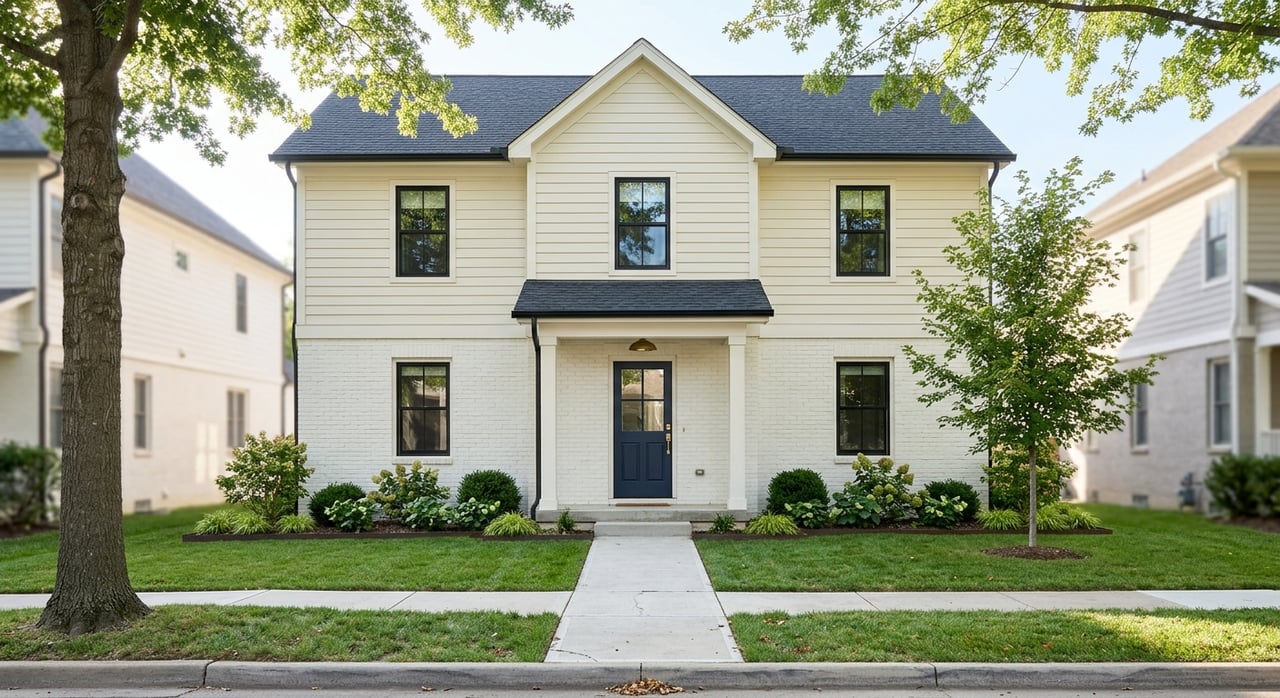
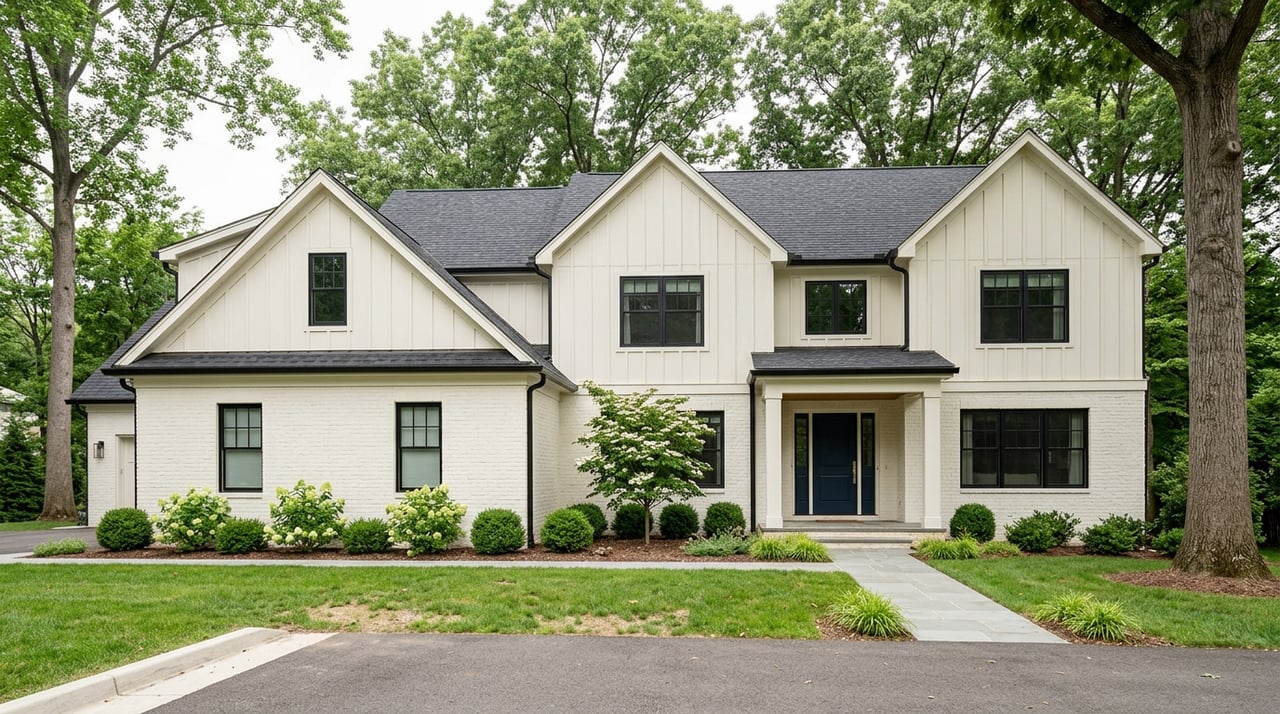
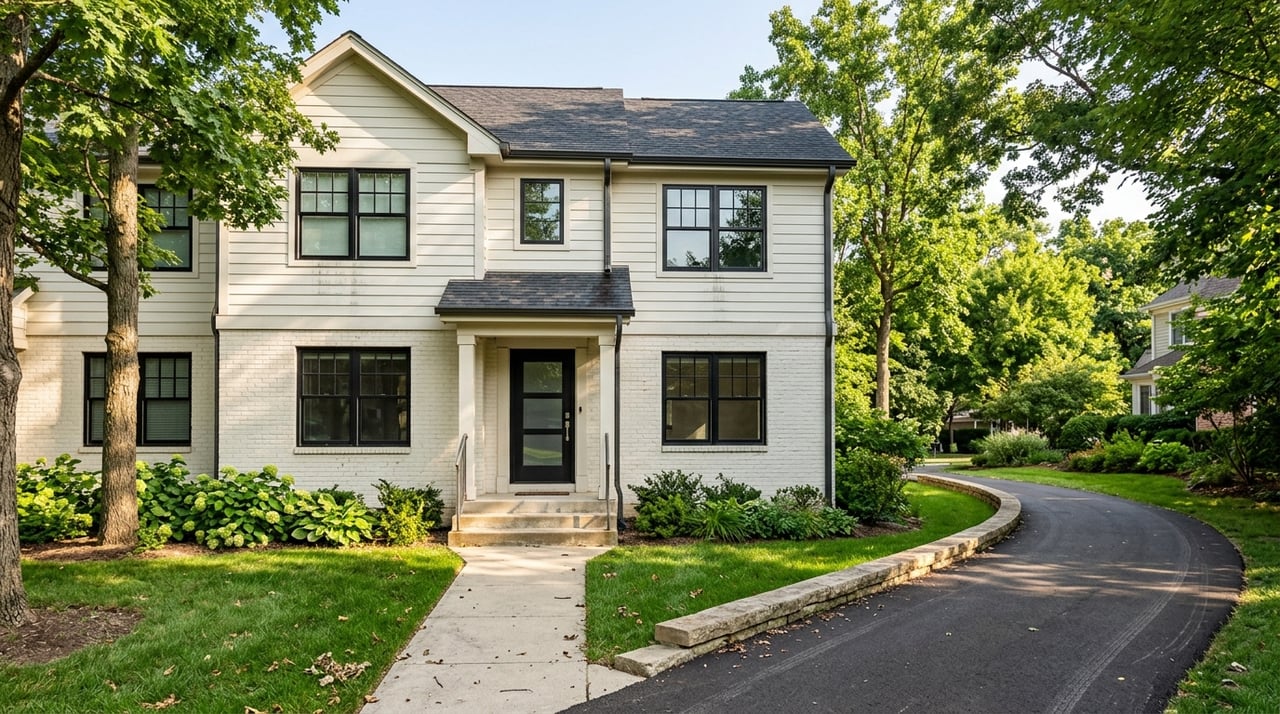
One of the biggest misconceptions about living near the W&OD Trail in Vienna is that it points to one type of buyer or one price point. In reality, the housing stock is mixed, and your options can vary quite a bit.
Recent examples suggest you are more likely to see:
- Garden-style condos
- Townhome-style condos
- Smaller to mid-size townhomes
- Some newer condo and townhome product in the downtown core
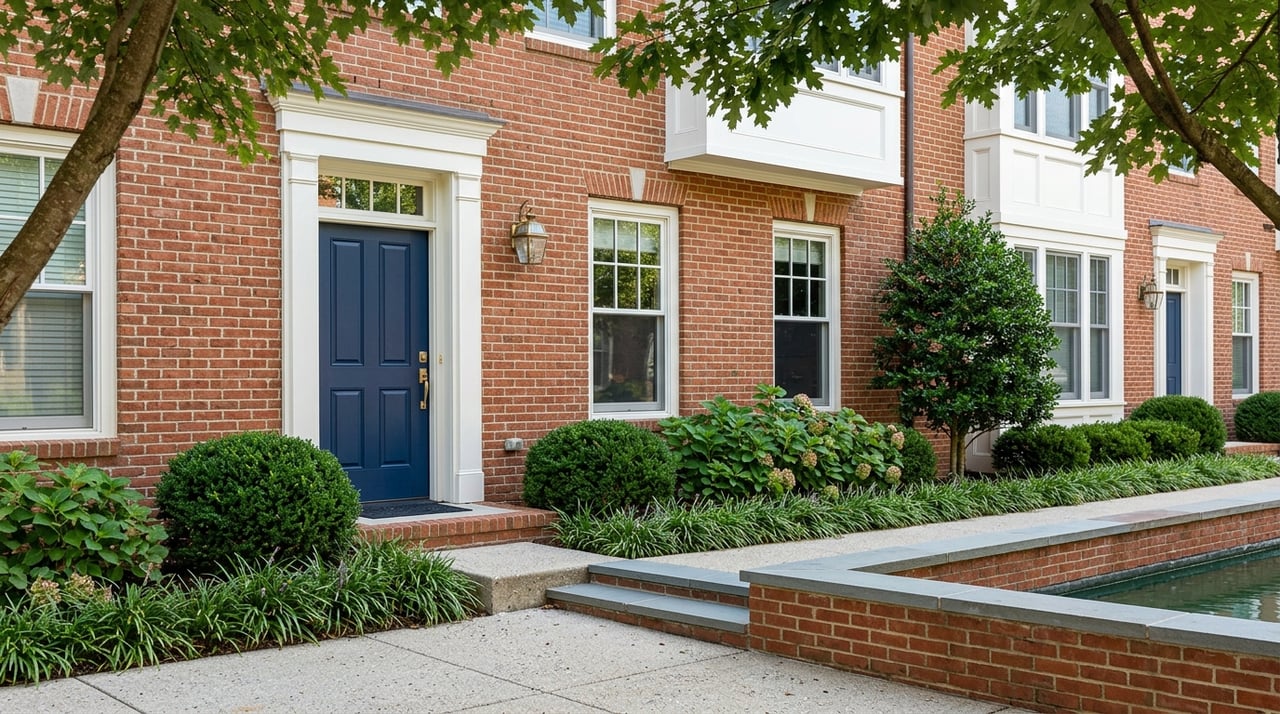
Compared with other parts of Vienna, trail-adjacent areas often offer more condos and attached homes rather than large-lot detached properties. That can be helpful if you want a lower-maintenance option or a more accessible entry point into the Vienna market.
What Prices Can Look Like
Vienna remains a competitive market overall, and trail-adjacent living is no exception. Research examples point to seller’s-market conditions in both 22180 and 22181, with median sale price snapshots ranging roughly from about $860,000 in 22181 to about $1.4 million in 22180, depending on the geography and metric used.
At the same time, homes near the trail do not all sit in the same price band. Recent examples suggest a rough ladder like this:
- About $310,000 to $325,000 for smaller one-bedroom condos near Vienna Station
- About $420,000 to $440,000 for three-bedroom downtown condos
- About $520,000 for a two-bedroom condo in the Westbriar area
- About $583,000 for a three-bedroom townhouse-style condo on Locust Street
- About $720,000 for a three-bedroom townhome on Center Street
- About $1.2 million for a larger four-bedroom end-unit townhome at Cadence on Center
The key takeaway is simple. Trail proximity does not determine value by itself. Location within Vienna, home size, building age, HOA structure, and whether the property is a condo or fee-simple townhome all play a major role.
The Tradeoffs to Think Through
Living near the W&OD Trail comes with real lifestyle benefits, but it also helps to go in with clear expectations. In most cases, the activity you notice is more likely to be pedestrians and cyclists than highway-style noise.
The busiest spots tend to be near access points, parking lots, crossings, and the downtown core. That is especially true around the Community Center, Town Green, Maple Avenue, and Church Street, where parking and events are concentrated.
Vienna’s planning work also shows that the town is studying redesigned crossings and a split-use trail design in the core. That suggests safety and user volume are active issues in the most visible parts of the corridor.
For many buyers, the sweet spot is not necessarily a home directly on the trail. A property one or two blocks away may still give you much of the same convenience while offering a little more privacy and a quieter feel.
Who May Enjoy This Lifestyle Most
Living near the W&OD Trail can appeal to different kinds of buyers for different reasons. You may be especially drawn to this area if you want:
- Quick access to outdoor activity
- A more walkable connection to downtown Vienna
- A bike-friendly setting for recreation or commuting
- Condo or townhome options in a competitive market
- A location that blends convenience with community activity
It can be a smart fit for first-time buyers, commuters, downsizers, and relocating clients who want a practical way to get to know Vienna’s core. It can also appeal to sellers who own well-located condos or townhomes and want to understand how trail access may strengthen buyer interest.
How to Evaluate a Trail-Adjacent Home
If you are seriously considering living near the W&OD Trail in Vienna, it helps to look beyond the map pin. A home that looks close on paper can feel very different depending on its exact position and surroundings.
As you compare options, pay attention to:
- How close the home is to an actual trail access point
- Whether it sits directly beside the trail or a block or two away
- The amount of nearby parking or event activity
- Your route to downtown Vienna or Metro
- The property type and monthly ownership costs, if applicable
This kind of block-by-block evaluation matters in Vienna. Two homes with similar square footage may offer very different day-to-day experiences based on access, privacy, and proximity to the busiest parts of the trail corridor.
If you are weighing whether trail living fits your goals in Vienna, the best move is to compare the micro-areas in person and talk through how they match your budget, commute, and lifestyle priorities. If you want local guidance on buying or selling near the W&OD Trail, connect with Elizabeth Sachero-Perez for a consultation.
FAQs
What is the W&OD Trail in Vienna, VA?
- The W&OD Trail is a 45-mile paved regional trail, with about two miles running through Vienna, where it serves as both a recreation amenity and a practical local connection.
What is daily life like near the W&OD Trail in Vienna?
- Living near the trail can mean easy access to walking, biking, downtown Vienna, community events, and nearby services, with more activity near access points and the town core.
What housing types are common near the W&OD Trail in Vienna?
- Buyers often find condos, townhome-style condos, and smaller to mid-size townhomes near the trail, rather than large-lot detached homes.
What parts of Vienna are closest to the W&OD Trail?
- Key trail-adjacent clusters include downtown Vienna, the Vienna Metro and Centerboro corridor, and the Dunn Loring and Bellforest edge.
Are homes near the W&OD Trail in Vienna expensive?
- Prices vary widely, with recent examples ranging from the low $300,000s for smaller condos to about $1.2 million for larger townhomes, depending on location, size, and property type.
Is living directly on the W&OD Trail in Vienna always better?
- Not always, because homes directly beside the trail may experience more foot and bike activity, while homes a block or two away can offer similar access with more privacy.