Trying to choose between Old Town and Alexandria’s West End? You are not alone. Both areas offer a very different version of Alexandria living, and the right fit depends on how you want your day-to-day life to feel. If you are weighing walkability, housing style, transit access, and future growth, this guide will help you compare both areas with more confidence. Let’s dive in.
Old Town vs. West End at a Glance
If you picture Alexandria as a place full of brick sidewalks, historic streets, and easy walks to shops and the waterfront, you are probably thinking of Old Town. It is the city’s historic core, first incorporated in 1749, with King Street serving as a major commercial corridor. Much of the area also falls within the Old and Historic Alexandria District, where visible exterior changes and demolition are reviewed through the Board of Architectural Review.
The West End offers a different experience. It is a broader planning area shaped by ongoing redevelopment, including the West End Alexandria site at the former Landmark Mall and the recently approved AlexWest Small Area Plan. Instead of a tightly preserved historic fabric, the West End is defined by change, mixed-use growth, and a wider mix of housing types.
Old Town Lifestyle
Old Town is usually the better fit if you want a walk-first lifestyle. The area combines residential blocks, local businesses, the waterfront, and transit in a compact setting that makes daily errands and social plans easier without always getting in the car.
King Street plays a big role in that experience. The city operates the free King Street Trolley every day, every 15 minutes, between King Street Metro and City Hall/Market Square, with stops along the main corridor. That adds convenience for commuting, meeting friends, or spending time downtown.
The waterfront also gives Old Town a strong lifestyle advantage. The city highlights 23 acres of parks and trails, a marina, shops, dining, and historic sites along the waterfront area. Old Town also hosts the year-round Saturday farmers market, with more than 70 vendors in peak season.
For shorter trips, Old Town is well supported for biking and walking. The city notes eight Capital Bikeshare stations in Old Town plus pedestrian wayfinding on King Street, Union Street, and the Waterfront. If your ideal routine includes walking to coffee, dining, parks, or transit, Old Town is built for that kind of day.
West End Lifestyle
The West End feels more spread out and more transitional. Rather than one historic core, it includes a mix of established neighborhoods, larger corridors, and major redevelopment areas that are reshaping how the area will function over time.
That means your daily experience in the West End may feel more car-oriented today in some sections, but it is also becoming more connected. Planning materials for AlexWest emphasize new bike connections, safer pedestrian links, neighborhood-serving retail, and public open space. The area is also gaining the new West Alexandria Transit Center at the former Landmark Mall site.
If you like the idea of living in an area that is actively modernizing, the West End may appeal to you. It can offer a more flexible urban-suburban feel, with housing and infrastructure that are evolving around new transit and mixed-use development.
Housing in Old Town
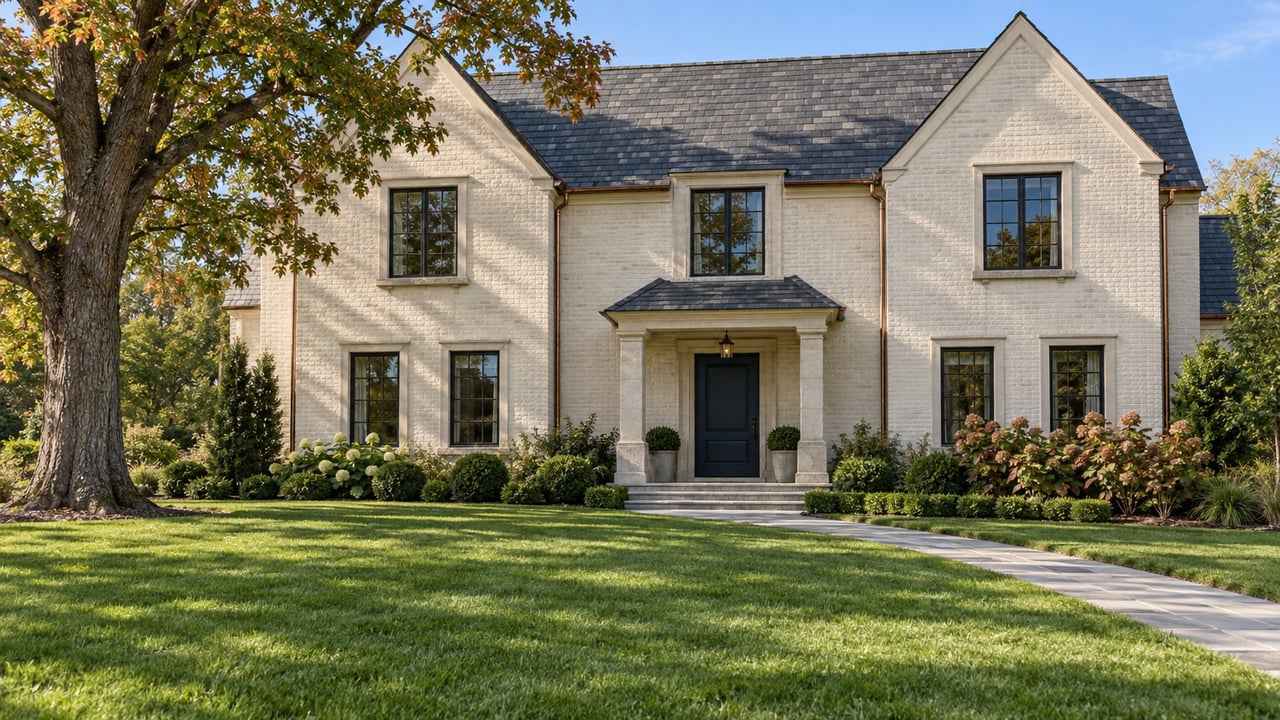
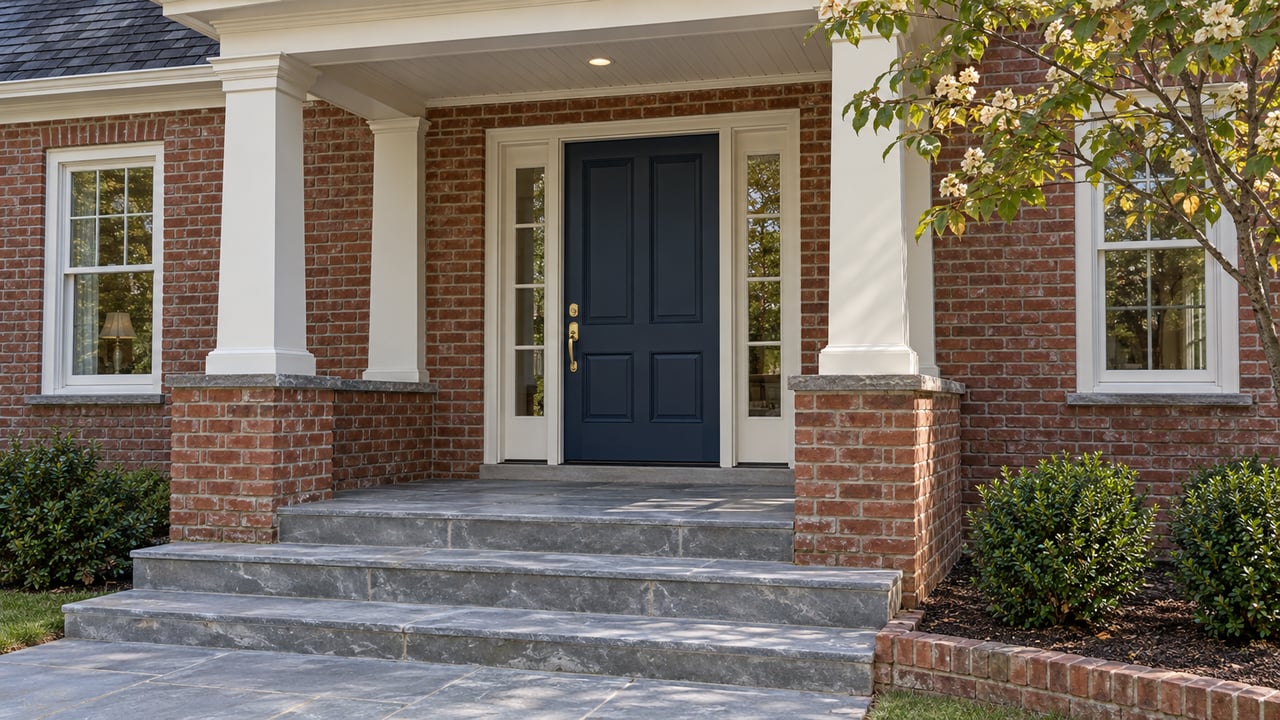
Old Town housing tends to reflect its historic identity. Buyers will often see historic rowhouses, townhomes, smaller-lot properties, and some condo or mixed-use options. The neighborhood’s appeal often comes from charm, established streetscapes, and close access to shops, restaurants, and the waterfront.
That charm can come with tradeoffs. Because much of Old Town sits within a protected historic district, exterior changes may require more review and approval. If you are hoping to make major visible alterations, add onto a home, or create a blank-slate renovation, it is important to understand those rules before you buy.
For many buyers, that is part of the value proposition. You gain character, a preserved setting, and strong walkability, but you give up some flexibility compared with newer or less regulated areas.
Housing in the West End
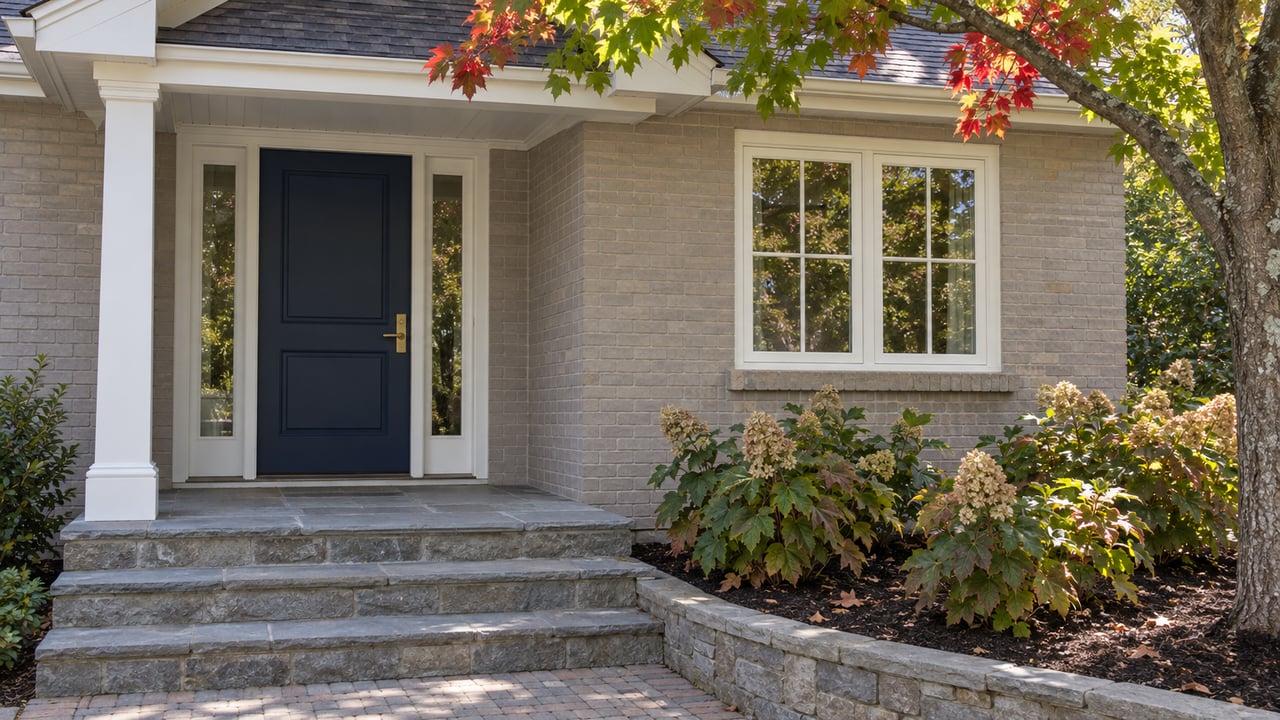
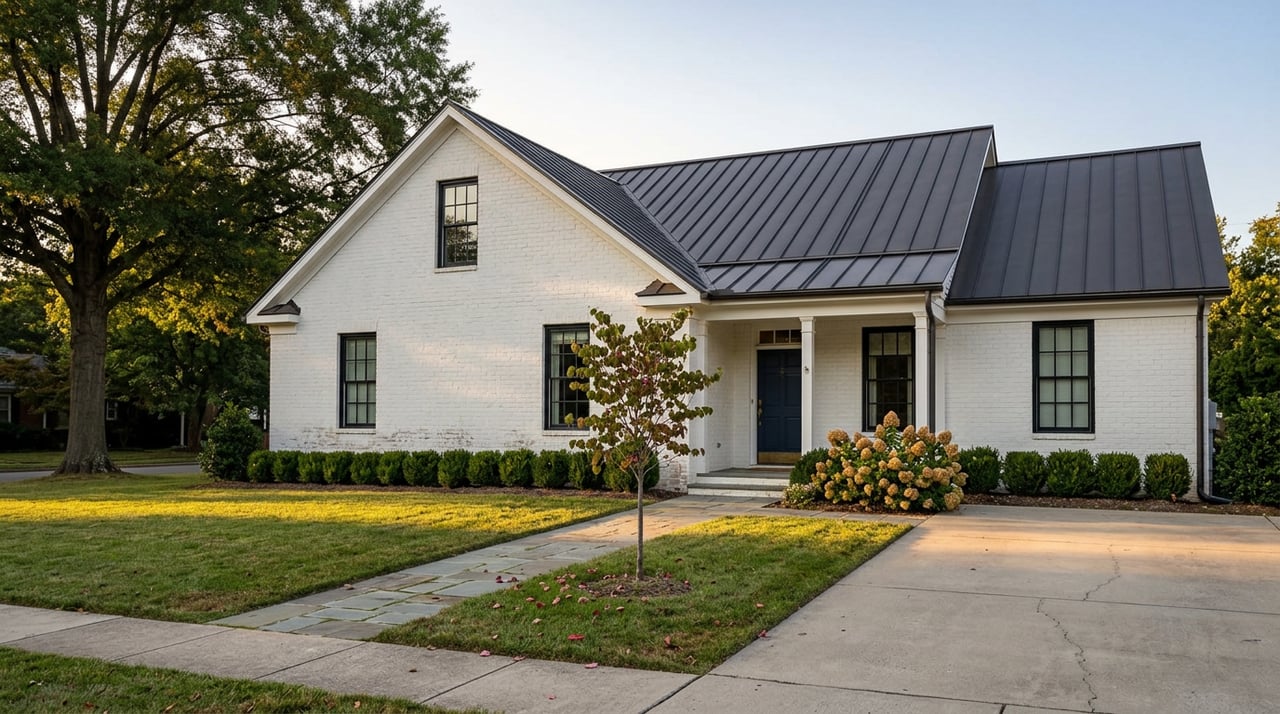
The West End usually offers a broader housing mix. City planning materials describe existing single-family neighborhoods, townhouse development, garden apartments, high-rise apartments, and newer multifamily and townhome options in redevelopment areas.
That wider range can make the West End easier to shop if you are balancing space, layout, parking, and building age. Instead of one dominant housing style, you are more likely to see a mix of older and newer product types across the area.
This also affects how buyers think about budget. Rather than making a simple price comparison, it is more useful to compare what you get for your priorities. In general, Old Town tends to feel more constrained and premium because of its historic setting and dense street pattern, while the West End often gives you more ways to trade off size, parking, age, and amenities.
Transit and Commute Differences
If transit access is high on your list, Old Town has the advantage of being more established today. King St-Old Town is one of Alexandria’s rail stations, and the station area connects you to DASH, the King Street Trolley, Metrobus, WMATA Metrorail, Amtrak, VRE commuter rail, and car-sharing.
That gives Old Town a deep transit network right now. If you want the easiest rail access or you are trying to reduce car trips, Old Town offers more immediate convenience.
The West End story is more future-facing. The city is implementing the West End Transitway, a planned bus rapid transit corridor along the Van Dorn and Beauregard corridor connecting Van Dorn Metrorail, Landmark, Shirlington, Beauregard, and the Pentagon. The West Alexandria Transit Center is also designed to serve multiple DASH, Metrobus, and future BRT routes.
For some buyers, that is exciting. For others, it means being comfortable with an area that is still evolving around public investment, corridor planning, and construction.
Which Area Fits Your Priorities?
The best choice usually comes down to how you want to live, not just what kind of home you want to buy. Old Town and the West End can both work well, but they solve different needs.
Choose Old Town if you want:
- A historic setting with preserved character
- Strong walkability for errands and dining
- Easy access to the waterfront and parks
- A compact neighborhood feel
- Immediate rail and transit convenience
Choose the West End if you want:
- More housing variety
- More flexibility around space and parking
- A mix of existing neighborhoods and newer development
- Transit improvements tied to long-term city investment
- A more modernizing urban-suburban feel
A Simple Way to Decide
One helpful way to think about this decision is lifestyle first, home second. Start by asking yourself how often you want to walk for daily errands, how important historic character is to you, and whether you prefer a neighborhood that feels fully established or one that is actively growing.
If you are drawn to compact city living with historic charm and strong transit right now, Old Town may feel like the clear winner. If you want more options in housing type and a neighborhood that offers more flexibility as it evolves, the West End may be the better match.
Choosing between these two Alexandria areas is not really about older versus newer. It is about whether you want compact historic city living or a broader, more flexible urban-suburban transition lifestyle.
If you are comparing Alexandria neighborhoods and want help narrowing down the right fit for your move, Elizabeth Sachero-Perez can help you evaluate your options with local insight and a personalized plan.
FAQs
What is the main difference between Old Town and Alexandria’s West End?
- Old Town is Alexandria’s historic core with a compact, walkable layout, while the West End is a broader area shaped by mixed-use redevelopment, varied housing, and growing transit investment.
Is Old Town Alexandria more walkable than the West End?
- Yes. Old Town has a stronger walk-first setup today, with the King Street Trolley, waterfront parks and trails, bikeshare stations, and closely spaced shops and services.
Does Old Town Alexandria have historic renovation rules?
- In many parts of Old Town, yes. Because much of the area is within the Old and Historic Alexandria District, visible exterior changes and demolition can be subject to review.
What types of homes are common in Alexandria’s West End?
- The West End includes a wider mix of housing, including single-family homes, townhouses, garden apartments, high-rise apartments, and newer multifamily or townhome development.
Which Alexandria area is better for transit commuters?
- Old Town has stronger transit convenience today because of access to Metrorail, Amtrak, VRE, DASH, Metrobus, and the King Street Trolley, while the West End has major transit improvements planned and underway.
Is the West End Alexandria still changing?
- Yes. The West End is actively evolving through redevelopment projects, the AlexWest planning framework, the new Inova hospital campus area, and future transit investments like the West End Transitway.